Tape
Baking Service
If your
tape needs baking, you've come to the right place! We can Bake Tape to
perfection.
|
|
Tape
Baking...Why?
A
lot of tape manufactured in the mid 1970's to early 1980's is starting to
come out of storage now to be converted to digital format. However, engineers are
finding that many of the tapes won't play correctly. The surface of the tape has become gummy and
it sticks to the heads and guides of the tape machine. They are getting squealing,
jerking, and, in extreme cases, slowing down or stopping the tape
machine completely. This problem has cropped up on all brands of tape, but is
nearly
always fixable, at least temporarily - by baking the tape. |

|
|
|
|
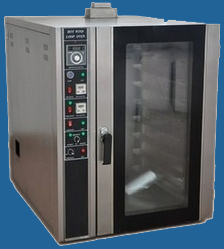
How Tape Baking Works...
Tapes deteriorate because of a breakdown in the binder (the glue) that holds the
oxide atoms on the tape. The binder contains polyurethane, which soaks up
water and causes the polyurethane to rise to the tape's surface.
This
problem is known as the 'sticky-shed syndrome' . Short strands of urethane
were most commonly used in tapes (until it was discovered that
middle-sized strands are better) and were good at absorbing moisture.
Baking the tape temporarily restores the tape so that it can be safely
copied to another tape or a different format.
After
baking, the tape usually remains in good condition for approximately a
month. If the tape re-deteriorates, it may be possible to bake the tape
again.
| |
|
When
to Bake a Tape
There
are some important signs that show when a tape needs baking. The typical
symptom is squealing when the tape passes the playback head or other fixed
parts of a tape player. The squealing is audible directly from the tape
and also transmitted electronically through the output of the tape
recorder.
Continuous
use of a squealing tape risks permanently damaging the tape, as oxide is
sometimes torn off the tape. This flaking residue can be seen and can feel
gummy while still on the tape's surface. There is also a risk of damage to
the player. Another symptom is the tape sounding dull and distorted.
Deterioration
can happen to any tape, but the problem is more common with audio
recording tape manufactured in the USA from the mid 1970's to the early
1980's.
Tapes
That Generally Need Baking...
- AMPEX-
406, 407, 456, 457, 499, Grand Master
- 3M-
153, 206, 207, 208, 209, 217, 219, 226, 227, 806, 807, 808, 809, Classic
DP, Classic LP, Classic SP, Master and Master SX
PricingTape
Bake
|
|
|
Tape
Size
|
1-5 Tapes |
Price per Tape
6-10 Tapes |
11-15 Tapes
|
|
Cassette |
9.95
|
7.95
|
5.95
|
|
1/4
Inch Tape |
19.95
|
17.95
|
15.95
|
|
1/2
Inch Tape |
29.95
|
27.95 |
25.95 |
|
1
Inch Tape |
39.95
|
37.95 |
35.95 |
|
2
Inch Tape
|
49.95
|
47.95 |
45.95 |
|
Video
Tape
|
19.95
|
17.95 |
15.95 |
|
|
|
How
to Order

